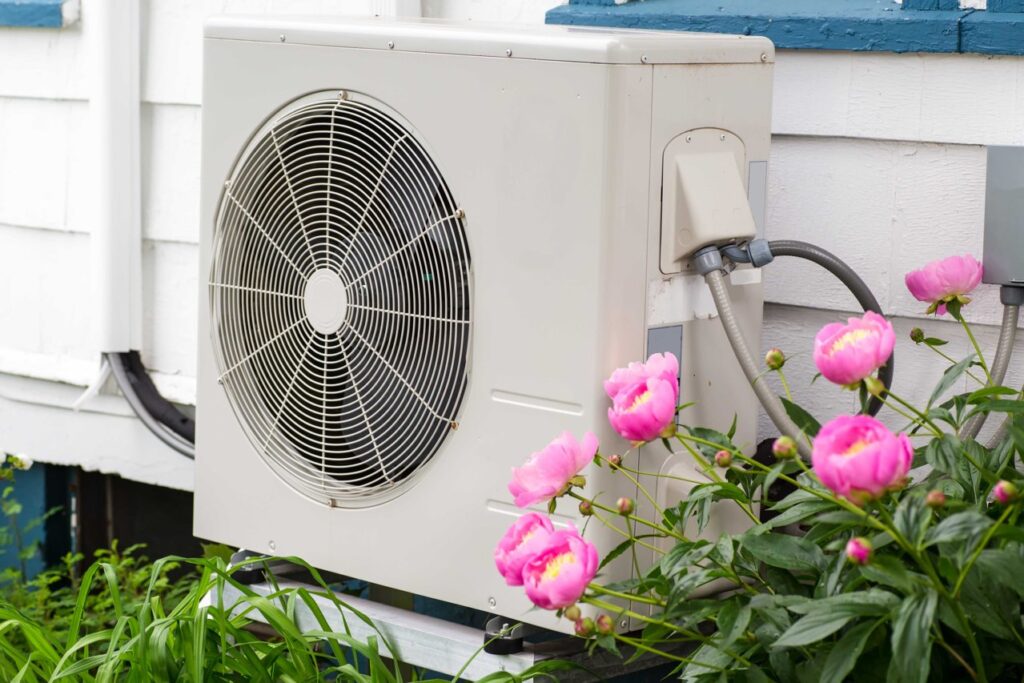
Steps to help you plan for and decide which heat pumps are best for you:
Step 1. Assemble basic information about your existing heating system, especially the date when it was installed and a record of service. Also, review the quantity of oil or natural gas you have used each year, or the costs you have paid; this will help determine the size your heat pump system needs to be. Your energy use data will also be a useful input into a Home Energy Assessment or a plan to Insulate and Air Seal Your Home in order to reduce your heating requirements as much as you can before seeking a quote on a heat pump system. This will allow you to buy a smaller, less-expensive system (see Step 3).
Step 2. Schedule an appointment with a professional home energy consultant who specializes in heat pumps and related technologies.
Step 3. Look for heat pump contractors/installers with plenty of heat pump experience. Schedule visits to your home to get to know potential contractors, and ask them for local references. Ask for suggestions for size, configuration, and types of equipment, and request initial pricing, but make it clear that before you make any decisions, you will be considering all the elements that could affect your heat pump purchase (see the next Step). Make sure that the heat pump installer you ultimately hire is eligible to access all the available heat pump incentives (See Deep Dive, below, for additional incentive and rebate options).
Step 4. Get information about other energy measures that could affect your heat pump decision, starting with any remaining opportunities to reduce your “heat loss” with insulation and weatherization (thereby reducing the size of the heat pump you would need, and thus, the cost). To install a whole-house heat pump system, you might need to upgrade your electrical service and panel, so think about other factors that might increase your electrical needs in the future.
Step 5. Compare and choose between different types and configurations of heat pump systems. Air source heat pumps are the more common choice, are much less expensive to install, and offer the choice of installing one central air source heat pump to replace your existing furnace and use your existing air ducts, or configuring one or more “mini-split” heat pump units to serve one or two rooms each. Again, your contractor might be able to help you with this decision.
If you choose to purchase a ground source heat pump, ensure that it is feasible in your location. If so, this will be the most efficient type of heat pump, with the lowest electricity use. The high initial price for installation may be an obstacle unless you take out a loan for it (see Deep Dive for possible sources for loans, rebates, and incentives).
Step 6. Once you have identified what heat pump configuration will work best for you, get price quotes for a range of heat pump capabilities. Your contractor/installer should be able to help you with this. For example, make sure you are looking at “cold climate” heat pumps that will work well in Stow’s cold winter weather.
Step 7. Once you have some options priced out, talk to independent sources of advice regarding your options, and sign a contract for the best option for your home. Contact the energy specialist who did your Home Energy Assessment, or other energy efficiency providers for suggestions of heat pump experts. Note: If your Home Energy Assessment was done through the Hudson Light & Power Department Residential Energy Audit Program, the energy specialist won’t be able to provide advice on heat pump quotes. If your Home Performance Contractor (HPC) provided both the assessment and the heat pump quotes, you might want to get competing quotes from other installers and ask questions of the competitors.
Step 8. Once you’ve transitioned to a heat pump system for your home, please write a Testimonal for this site with your story: what worked, what was difficult, how well contractors met your needs, and how comfortable and affordable your heat pump system has been. Thanks!
Note: Much of the information in the above steps are attributed to Energize Acton’s steps for Heat Pumps. Modifications were made when applicable for Stow.