Let’s create a Pollinator Pathway in Stow!
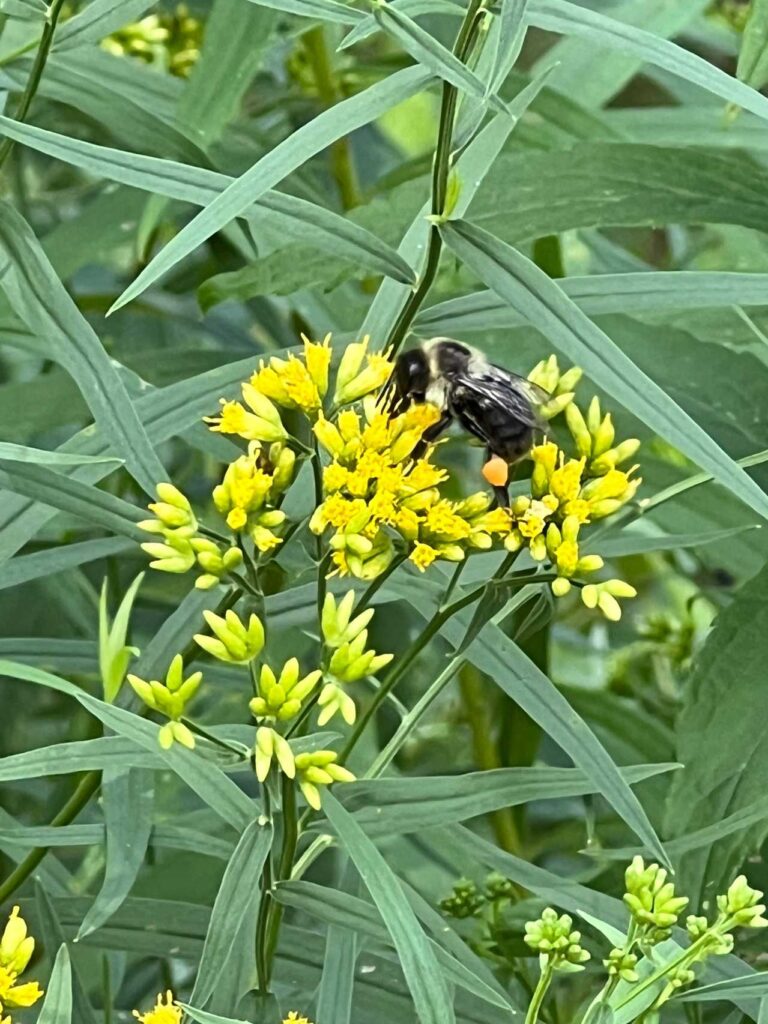
Pollinator pathways are “pathways” or “corridors” of native plant gardens that enable pollinators to find the habitats, plants, and mates they require. Locations planted with New England natives need to be close enough to each other for pollinators to easily travel from site-to-site.
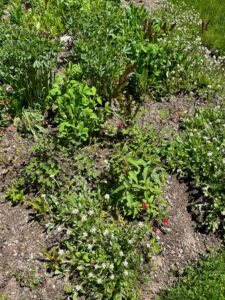
Stow is just getting started at creating pollinator pathways. A pollinator pathway can include both public and private lands. Stops along the pathway can be a garden box, a grassy strip alongside a road, a garden in your yard, a patch of native shrubs or trees, or a meadow. Once you click the Pollinator Pathway action as “Done,” we will contact you to locate your native pollinator garden on our town map. This will help us determine where the empty spaces in the “pathway” are, and then encourage residents to create gardens to fill those spaces.
The more native gardens we create, the healthier our town environment will be for pollinating insects. An additional bonus to having a pollinator pathway in Stow is that more pollinators means more birds. More pollinating plants equals more seeds for birds and wildlife to eat. More birds equals less ticks and mosquitos.
Why is this important? According to the Center for Biological Diversity, more than half of North America’s 4000 native bee species are in decline, with 1 in 4 species at risk of extinction. The decreased pollinator population, including other species besides bees, has impact on animals that feed on them, such as birds, amphibians, and small mammals, as well as impacts on our food supply.
Fourteen towns in Massachusetts have already created designated pollinator pathways. These include Amherst, Andover, Boston, Brookline, Cape Cod, Dover, Marblehead, Monterey, Town of North Andover, Pepperell, Plymouth, Sherborn, Somerville, and Wellesley.
Let’s join them!