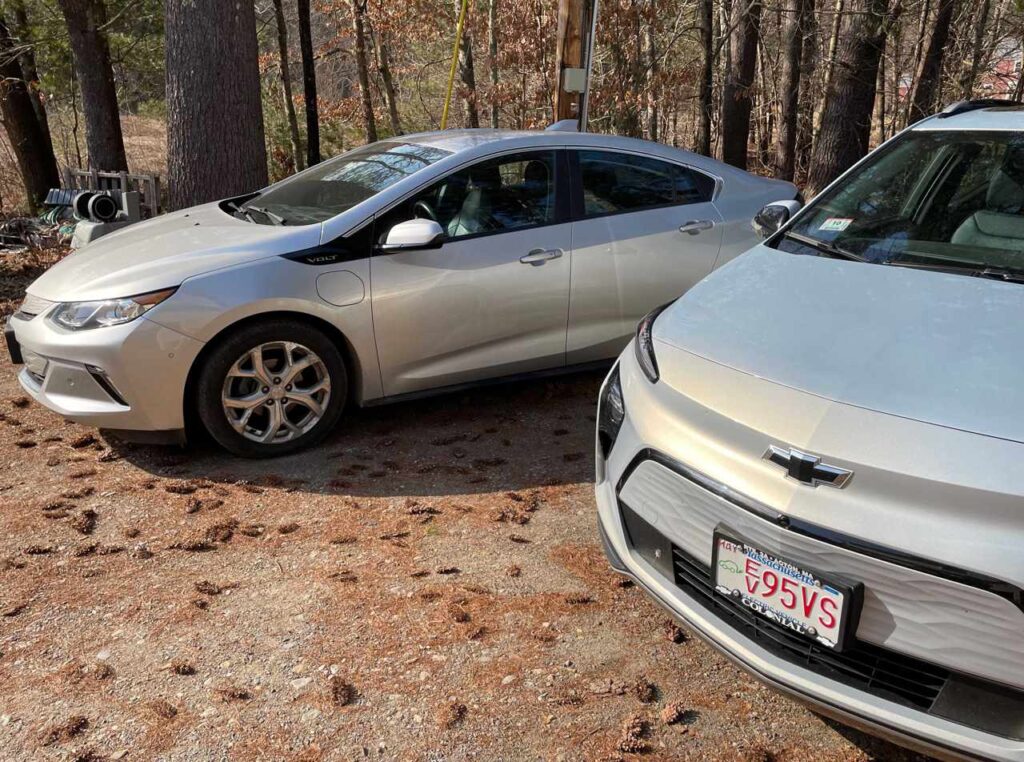
What are the savings with an EV?
With government incentives and not having to buy gas for your vehicle, the savings with an EV can be big. Both the federal government and the state offer incentives, including tax credits and rebates, that make buying an EV affordable. The federal government offers a tax credit of up to $7,500 for customers of new EVs, along with a credit of up to $4,000 for some used EVs. Along with federal incentives, Massachusetts also provides incentives and new, used, or leased EVs. https://mor-ev.org/
Which type of EV is best?
Battery electric vehicles (BEVs), commonly referred to as “EVs”, are what most people think of when thinking of an electric vehicle. Simply put, these vehicles are all-electric and are powered by batteries.
Hybrid vehicles use gas-powered engines and an electric motor. Though they do not have a charging port and only take gas, these vehicles have much lower emissions than traditional vehicles.
Plug-in hybrid vehicles (PHEVs) use both an electric battery and gas. With a smaller battery than traditional all-electric EVs, a plug-in hybrid will use its fuel tank when the battery is empty. A plug-in hybrid could be a good choice if your typical daily mileage is less than the all-electric range of the vehicle.
Where do you charge an EV?
Before purchasing, you should consider where you’ll charge your EV. Most EVs come with a 120-volt Level 1 portable charger that plugs right into your wall outlet. Note: a Level 1 charger adds only 4 miles of range and hour. For an EV with a 300 mile range, it would take about three days to fully charge. A Level 1 charger is a good choice for a plug-in hybrid or n all electric vehicle which is typically driven under 40 miles a day.
If you have an all-electric car and can charge from home, the best choice is usually a level 2 charger. A Level 2 charger is professionally installed in your home and is much more efficient than the Level 1, operating at 208-240 V and 18-28 miles of range per hour.
If you’re not home, you can visit a local charging station. By using an app like Google Maps or a website like PlugShare you can easily find a station in seconds. As charging stations are becomiing more frequent, you are likely to find them at grocery stores, malls, community centers, and many more locations across the country. All public charging stations are Level 2 or Level 3. No public charging stations are Level 1. A Level 2 charging station is not quick if you need to add more than a few miles of range. For quickly adding limitd range, or if you are stopping for an extended period, a level 2 charger if fine. However, if you must rapidly charge your all-electric vehicle, look for a high-speed Level 3 changer
How far can an EV travel?
While rang anxiety is common, it is not something you should worry about for every day driving with an EV. For extended trips, the number of public charging stations is expanding rapidly. In particular, many high speed Level 3 chargers are being added along highways which will quickly get you on your way.